 Chef Dalila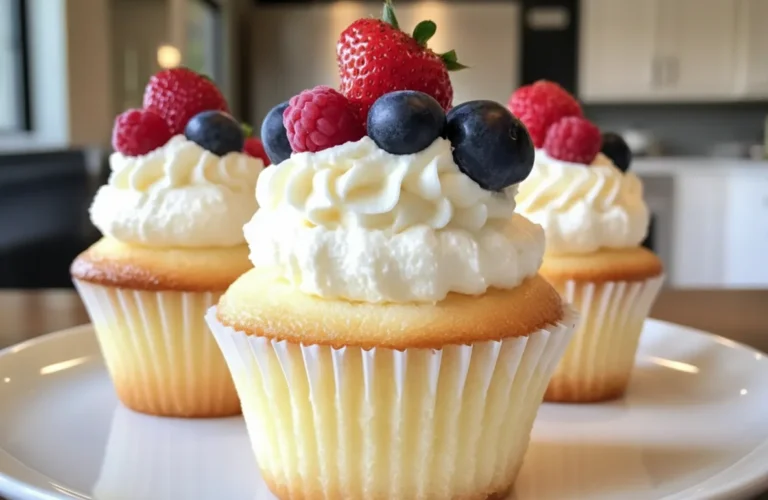
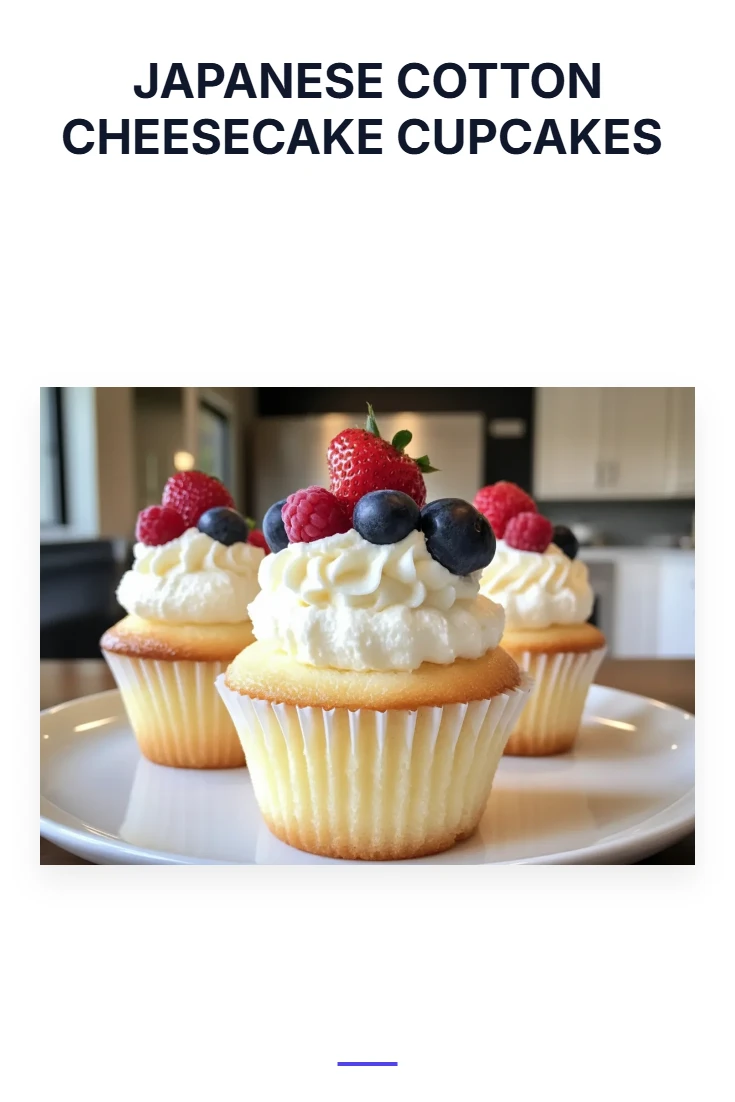
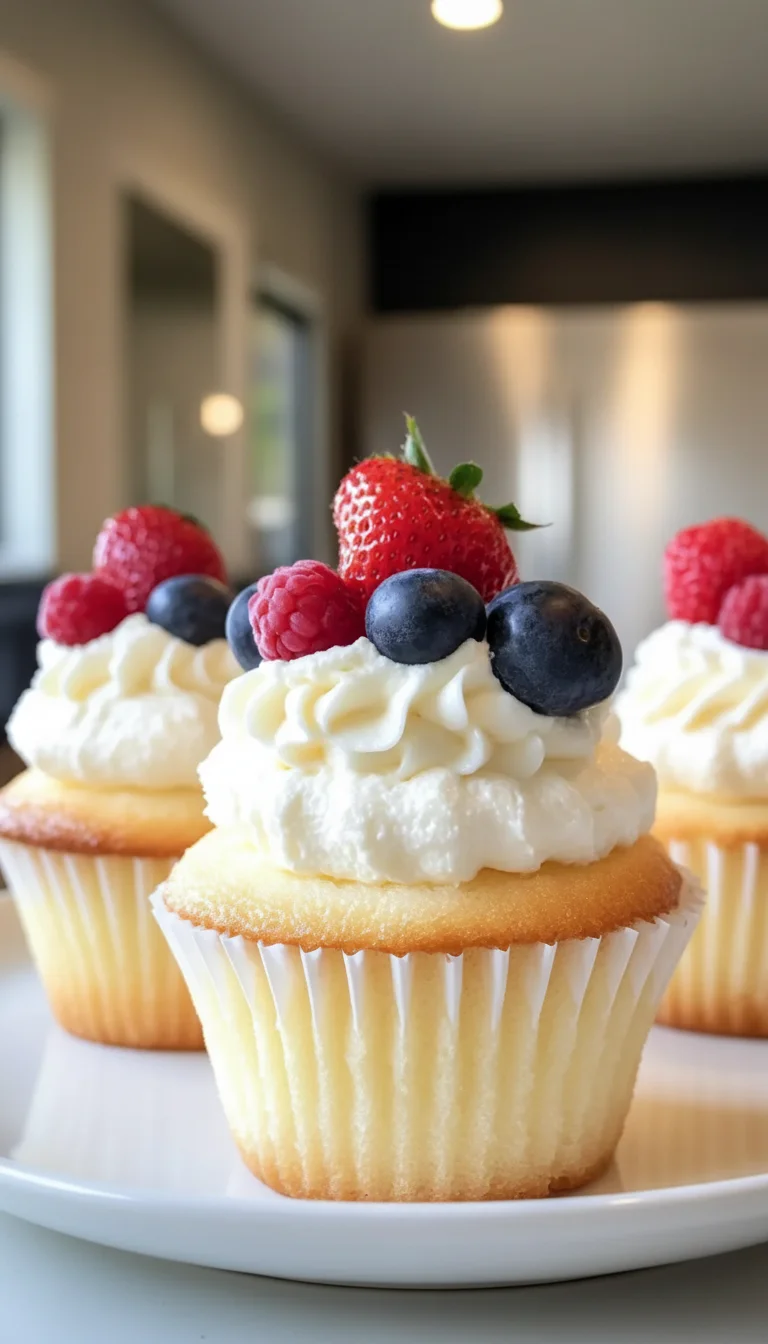
Japanese Cotton Cheesecake Cupcakes are more than just a dessert; they are a whisper of sweetness that melts upon your tongue, carrying the quiet legacy of a sun-drenched afternoon. Hello, I’m Dalila, and I am so deeply grateful you have found your way to my kitchen. Here at Let Them Cooke, we believe that baking is not merely about following instructions, but about weaving memories into every bite.
As the frenetic energy of March Madness takes over our living rooms with cheering and buzzer-beaters, I find myself retreating to the sanctuary of my oven to create these clouds of joy. While the world outside may be filled with the madness of brackets and competition, the rhythmic whisking required for Japanese Cotton Cheesecake Cupcakes offers a grounding, edible healing that I love to share with family during half-time breaks.
Key Takeaways
- Gentle Heat is Key: The water bath method is the warm embrace that protects the texture of Japanese Cotton Cheesecake Cupcakes.
- Meringue Matters: The stiffness of your egg whites dictates the rise and fall of these delicate treats.
- Patience in Cooling: Rushing the cooling process will cause your beautiful cakes to collapse; let them rest.
- Ingredient Temperature: Room temperature cream cheese is the secret to a lump-free, velvety batter.
What makes Japanese Cotton Cheesecake Cupcakes so incredibly light and airy?
The Magic of Aeration
When we speak of the texture of Japanese Cotton Cheesecake Cupcakes, we are talking about capturing air and suspending it within a delicate matrix of protein and sugar. It is a bit like magic dust; you cannot see the individual bubbles, but you can feel the lift they provide. Unlike a dense New York cheesecake, which sits heavy and rich on the palate, these cupcakes rely on the strength of egg whites whipped into a frenzy of clouds. This aeration creates a structure that is fleeting and ethereal, much like the soft crumb of my favorite Strawberry Coconut Sponge Cakes.
Balancing Structure and Softness
The true secret to the lift in Japanese Cotton Cheesecake Cupcakes lies in the precise balance between the structural integrity of flour and the tenderness of fat. My mother used to tell me that baking is a conversation between ingredients, and here, the cornstarch whispers to the flour to relax its gluten strands. If we were to use too much flour, we would lose that signature jiggly cheesecake recipe wobble that makes our hearts flutter. It is a delicate dance, ensuring the cake can stand tall without becoming tough.
A Dance of Temperature
Another reason Japanese Cotton Cheesecake Cupcakes achieve such lofty heights is the gentle, consistent heat that encourages them to rise slowly. If the oven is too hot, they will shoot up in a panic and then crash down just as quickly, much like the adrenaline of a close basketball game. We want a slow, steady climb, allowing the air bubbles to expand luxuriously. This thermal regulation ensures that the soft cake texture remains uniform from the golden top to the pale, tender bottom.
Which essential ingredients are the secret to achieving that perfect jiggly texture?
Cream Cheese: The Soul of the Batter
The heart of any Japanese Cotton Cheesecake Cupcakes recipe is, of course, the cream cheese, which must be full-fat and softened to the consistency of a warm hug. I remember watching my mother unwrap the silver foil, the scent of tangy dairy filling the air, promising something delicious. You cannot rush this step; cold cream cheese will result in lumps that disrupt the smooth narrative of your batter. If you are looking for other ways to use this ingredient, our Cream Cheese Frosting Recipes explore its versatility further.
Eggs: The Binding Promise
Eggs play a dual role in Japanese Cotton Cheesecake Cupcakes, acting as both the leavening agent and the rich emulsifier that binds the story together. The yolks provide a velvety richness that coats the tongue, while the whites, when whipped to soft peaks, offer the structural promise of height. It is essential to separate them carefully; even a speck of yolk in the whites can prevent them from reaching their full potential. This richness pairs beautifully with the spiced warmth found in our Churro Cookies with Cream Cheese Filling.
Cake Flour vs. All-Purpose
To achieve the cloud-like consistency of Japanese Cotton Cheesecake Cupcakes, one must abandon the sturdy nature of all-purpose flour in favor of cake flour. Cake flour is milled more finely and contains less protein, which means less gluten development and a more tender bite. It is the difference between a heavy wool blanket and a silk sheet. When you sift the flour, imagine you are raining snow down into the bowl, ensuring every particle is separated for that ultimate soufflé cheesecake tips experience.
How can you master the delicate art of folding meringue without deflating your batter?
The Soft Peak Whisper
The meringue for Japanese Cotton Cheesecake Cupcakes should not be stiff and brittle; it should be soft, glossy, and curl over gently like a breaking wave. My mother called this the “bird’s beak” stage. If you whip the whites until they are dry and clumpy, they will not incorporate into the heavy cheese mixture, leaving you with pockets of air and a disjointed texture. It is a moment of restraint, knowing exactly when to stop the mixer to preserve the meringue folding technique.
The Sacrifice Scoop
When you first introduce the meringue to the batter of your Japanese Cotton Cheesecake Cupcakes, you must perform what I call the “sacrifice scoop.” You take one-third of your beautiful, fluffy whites and stir them aggressively into the cheese mixture to lighten it up. This may feel heartbreaking, but it prepares the heavy batter to receive the rest of the delicate whites without crushing them. It is a lesson in compromise, much like the techniques used in our Raspberry Lemon Cupcake Recipe.
The J-Fold Motion
The actual folding process for Japanese Cotton Cheesecake Cupcakes is a rhythmic meditation: cut down the middle, sweep along the bottom, and fold over the top. Imagine you are tracing the letter ‘J’ with your spatula. This motion ensures you are not deflating the air you worked so hard to create. You repeat this motion until no white streaks remain, treating the batter with the same reverence you would a sleeping child. This gentleness is the only way to maintain the cream cheese dessert ideas of lightness.
Why is the water bath method absolutely non-negotiable for these mini cheesecakes?
Creating a Gentle Embrace
Baking Japanese Cotton Cheesecake Cupcakes in a bain-marie, or water bath, is like swaddling them in a warm, protective blanket of steam. The water regulates the temperature around the cupcake tins, ensuring the heat never exceeds the boiling point of water (212°F/100°C). This gentle cooking method prevents the edges from overcooking while the center remains raw, a technique I also cherish when making delicate confections like Cheesecake Truffles Recipe.
Preventing the Cracked Surface
There is nothing more disheartening than pulling your Japanese Cotton Cheesecake Cupcakes out of the oven only to see deep, jagged cracks running across their golden surfaces. These cracks are caused by the batter expanding too quickly or losing moisture too fast. The steam from the water bath keeps the oven environment humid, allowing the tops to stretch elastically rather than snap. It ensures a presentation as smooth as our Velvet Raspberry Dream Truffles.
Even Heat Distribution
The water bath acts as a thermal buffer for your Japanese Cotton Cheesecake Cupcakes, distributing heat evenly to every single cup. Without it, the harsh radiant heat of the oven would shock the delicate egg proteins, causing a rubbery texture. This method is the bain-marie baking method standard for a reason; it transforms a simple batter into a custard-like dream. It is a technique that requires a bit more setup, but the result is a texture that rivals even the finest White Chocolate Raspberry Fudge.
What are the best pro tips for cooling your cupcakes to prevent them from sinking?
The Oven Door Crack
Once the timer dings for your Japanese Cotton Cheesecake Cupcakes, you must resist the urge to pull them out immediately into the cold kitchen air. Instead, turn off the oven and prop the door open with a wooden spoon for about 15 minutes. This allows the cakes to adjust to the temperature change gradually. It is a slow goodbye to the heat, preventing the thermal shock that causes that dreaded collapse. Patience here is just as sweet as in our Boston Cream Fudge.
Patience is a Virtue
After their rest in the oven, remove the Japanese Cotton Cheesecake Cupcakes and let them cool completely in the pan on a wire rack. If you try to unmold them while they are still warm, they are too fragile and will crumble in your hands. I know the aroma is intoxicating, filling the kitchen with the scent of vanilla and love, but waiting ensures the structure sets perfectly. While you wait, you might browse some frozen treat ideas like this Raspberry Chocolate Truffles collection.
The Temperature Shock
Sudden drafts are the enemy of Japanese Cotton Cheesecake Cupcakes. Ensure your kitchen is free from open windows or blasting air conditioning vents when you take them out. The sudden cold air will cause the air bubbles inside to contract rapidly, shrinking your beautiful creations. Treat them with the same care you would a soufflé. For more technical baking science, you can always read up on egg foam stability to understand why this step is critical for Japanese Cotton Cheesecake Cupcakes.