 Chef Dalila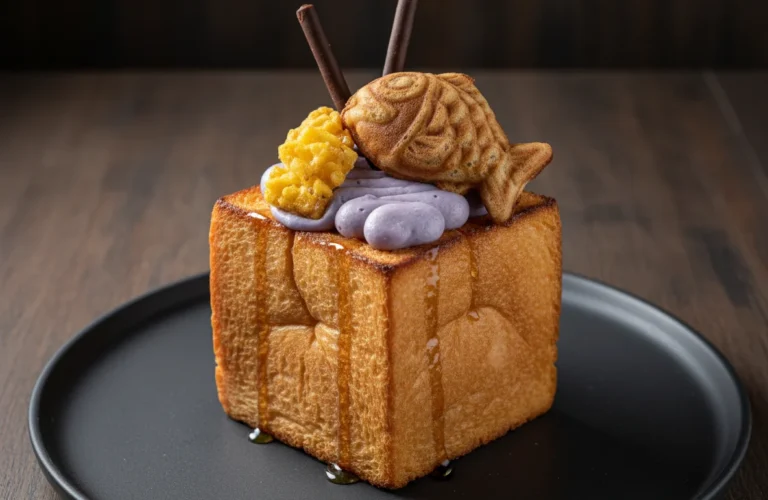
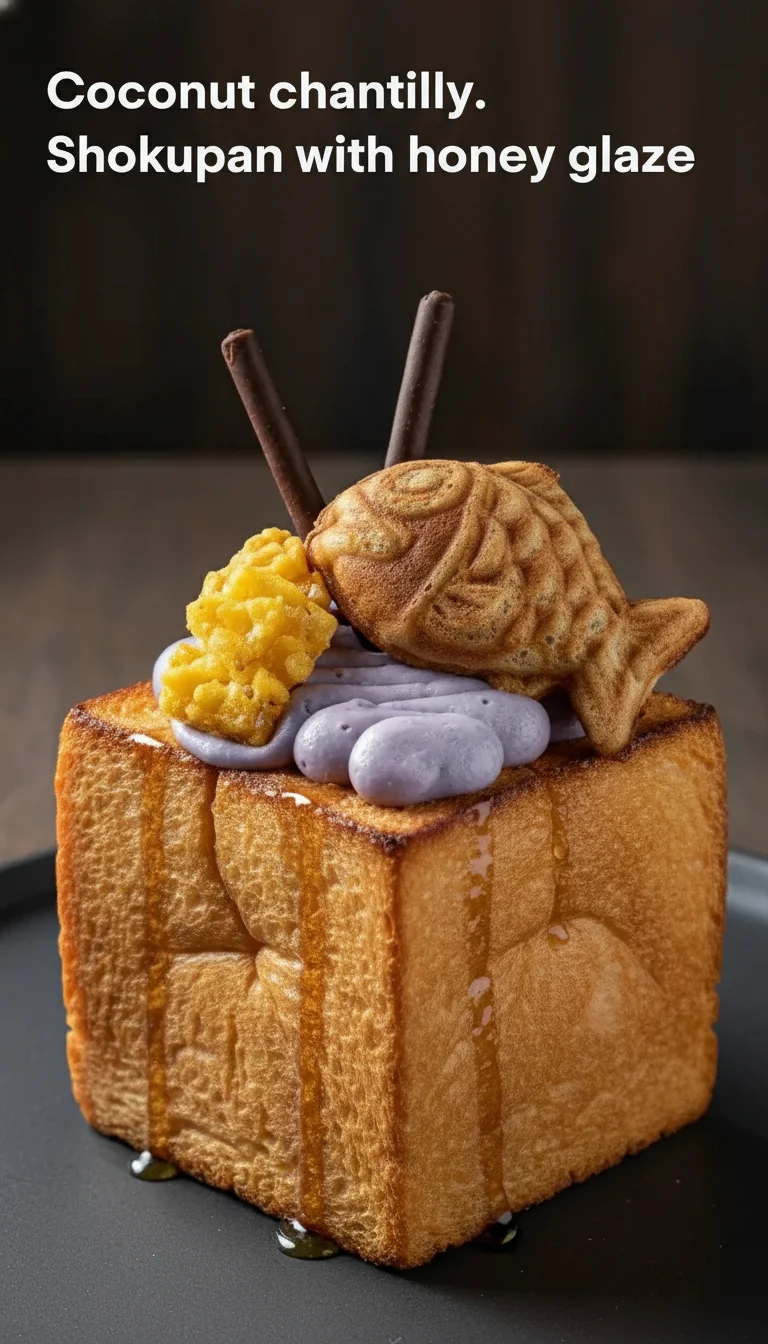
Coconut chantilly. Shokupan with honey glaze is more than just a breakfast dish; it is a whisper of morning magic that lingers on the palate. Hello, I’m Dalila, and welcome to the sun-drenched kitchen of Let Them Cooke, where we turn simple ingredients into edible embraces.
There is a profound nostalgia in the scent of yeast blooming and the gentle hum of a mixer, reminding me of rainy afternoons spent seeking warmth in the oven’s glow. When you prepare Coconut chantilly. Shokupan with honey glaze, you are inviting a symphony of textures into your home, creating a memory that feels like a soft, sweet hug.
Key Takeaways
- Texture Contrast: The pairing of airy cream and chewy bread is essential.
- Tangzhong Method: This is the secret to the bread’s longevity and softness.
- Temperature Matters: Chill your coconut milk overnight for the best whip.
- Glazing: Apply honey while the bread is warm for deep infusion.
Why is the combination of coconut chantilly and shokupan with honey glaze the ultimate luxury comfort food?
The Symphony of Textures
In the world of baking, few things rival the sensory delight of Coconut chantilly. Shokupan with honey glaze. The foundation is the Japanese milk bread, known for its cloud-like crumb that pulls apart in feathery strands. This bread, with its fluffy brioche texture, acts as a sturdy yet tender canvas for the toppings. When you take a bite of Coconut chantilly. Shokupan with honey glaze, the slight chew of the crust meets the ethereal lightness of the cream, creating a moment of pure culinary bliss.
A Balance of Sweetness
We often search for desserts that whisper rather than shout, and that is the beauty of Coconut chantilly. Shokupan with honey glaze. The whipped coconut cream offers a subtle, tropical richness that cuts through the richness of the bread without being cloying. Unlike heavy buttercream, this dairy-free frosting melts upon your tongue. It pairs beautifully with the floral notes found in recipes like our South Asian Rose & Cardamom, but here, in the Coconut chantilly. Shokupan with honey glaze, it stands proudly on its own.
The Visual Feast
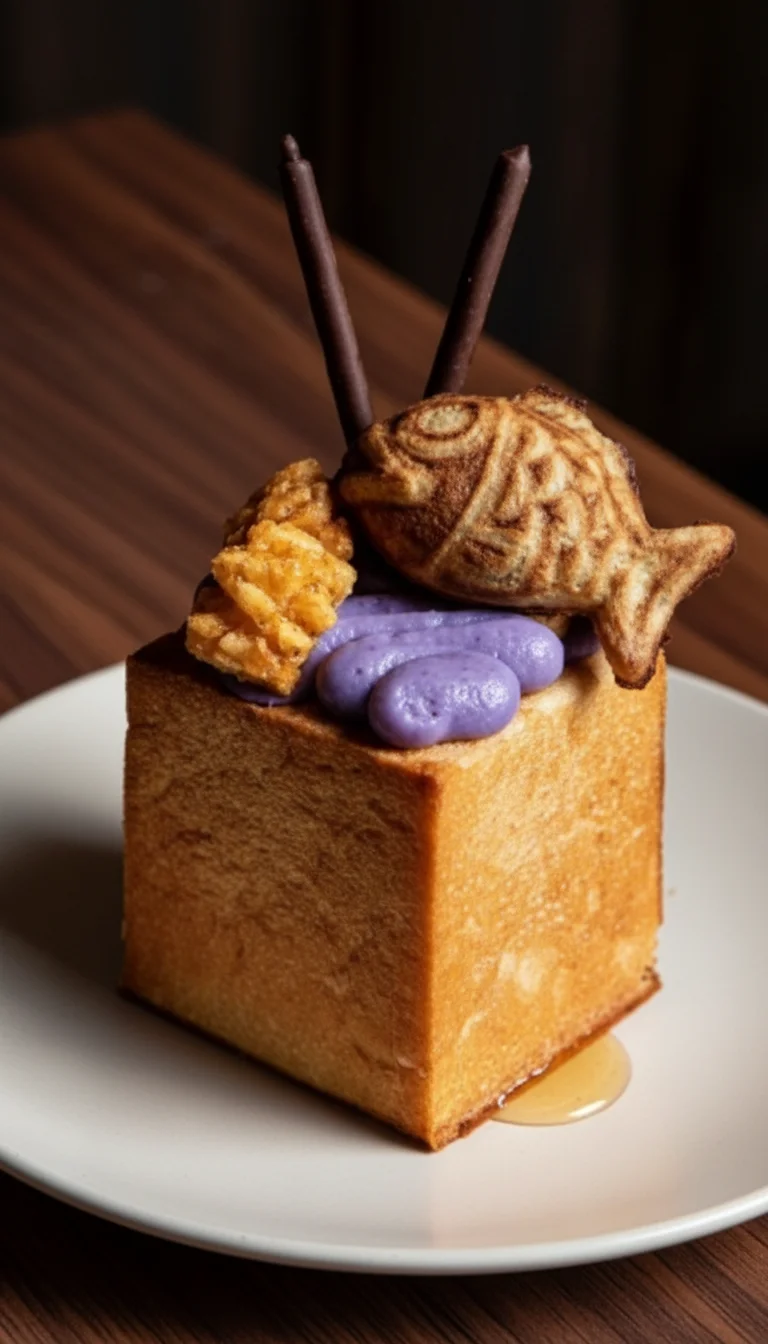
Serving Coconut chantilly. Shokupan with honey glaze is an act of visual poetry in my sun-drenched kitchen. The golden, glistening surface of the bread contrasts with the snowy peaks of the chantilly, promising a mind-blowing treat before you even take a bite. It reminds me of the delicate aesthetics of a Vintage Heart Cake, where every swirl tells a story. Indeed, the visual allure of Coconut chantilly. Shokupan with honey glaze makes it the centerpiece of any brunch table.
What specific techniques ensure your shokupan achieves that iconic cloud-like softness?
The Magic of Tangzhong
The secret to the profound magic within Coconut chantilly. Shokupan with honey glaze lies in the tangzhong method. This technique involves cooking a small portion of flour and milk into a paste before adding it to the dough, which pre-gelatinizes the starches. This allows the bread to hold more moisture, similar to the tender crumb of a High Lemon Blueberry Pound Cake. Without this step, your Coconut chantilly. Shokupan with honey glaze would lack that signature bounce and extended freshness.
Kneading for Elasticity
To support the weight of the toppings in Coconut chantilly. Shokupan with honey glaze, the dough must be kneaded to perfection. You are looking for the windowpane effect, where the dough can be stretched thin without tearing, ensuring the gluten structure is strong yet flexible. This structure is what gives the bread its height, much like the lift required in a Strawberry Matcha Cloud. A well-kneaded base ensures your Coconut chantilly. Shokupan with honey glaze remains airy rather than dense.
The Proofing Secret
Patience is the most important ingredient when crafting Coconut chantilly. Shokupan with honey glaze. The dough needs to rise in a warm, draft-free spot until it doubles in size, whispering promises of fluffiness. Rushing this process robs the bread of its flavor and texture. Just as we wait for the layers to set in a Pistachio Raspberry Cake, we must wait for the yeast to do its work for the perfect Coconut chantilly. Shokupan with honey glaze.
How do you master the perfect coconut chantilly that stays light and stable for hours?
Chilling the Coconut Milk
The first secret to the cream component of Coconut chantilly. Shokupan with honey glaze is temperature. You must chill your can of full-fat coconut milk for at least 24 hours to separate the thick cream from the water. This ensures that when you whip it, you are working with high-fat solids that hold air, crucial for that dairy-free frosting consistency. If the cream is too warm, your Coconut chantilly. Shokupan with honey glaze will turn into a puddle rather than a peak.
The Whipping Technique
When preparing the topping for Coconut chantilly. Shokupan with honey glaze, use a chilled bowl and beaters. Whip the coconut solids on high speed until soft peaks form, adding a touch of powdered sugar for stability. It is a process similar to making the frosting for a Blackberry & Earl Grey cake, where air incorporation is key. The result is a velvety cloud that crowns your Coconut chantilly. Shokupan with honey glaze with elegance.
Stabilizing Secrets
Sometimes, humidity in the kitchen can fight against your Coconut chantilly. Shokupan with honey glaze. To ensure the cream holds its shape for hours, you can add a pinch of cream of tartar or a teaspoon of cornstarch. This little trick locks in the structure, ensuring your whipped coconut cream doesn’t weep. A stable cream is vital for the aesthetic, making your Coconut chantilly. Shokupan with honey glaze look as professional as it tastes.
Why is the honey glaze application the most critical step for a professional finish?
Timing the Glaze
The application of the sweet honey topping on Coconut chantilly. Shokupan with honey glaze must happen the moment the bread leaves the oven. The heat of the loaf melts the glaze instantly, allowing it to seep into the crust rather than sitting on top. This technique creates a sticky, sweet barrier that seals in moisture, much like the syrup in a Hummingbird Cake. This timing transforms a good Coconut chantilly. Shokupan with honey glaze into an unforgettable one.
Infusing Flavors
While simple honey is divine, infusing your glaze elevates the Coconut chantilly. Shokupan with honey glaze to new heights. You might warm the honey with a vanilla bean or a strip of orange zest before brushing it on. This reminds me of the aromatic complexity in our Honey & Lavender “Burn-Away” cake. These subtle notes marry perfectly with the coconut, making every bite of Coconut chantilly. Shokupan with honey glaze a complex flavor journey.
The Shine Factor
We eat with our eyes first, and the glaze gives Coconut chantilly. Shokupan with honey glaze its signature, professional sheen. A dull crust can look dry, but a glazed one promises moisture and sweetness. It reflects the light in your sun-drenched kitchen, beckoning everyone to gather around. Achieving that mirror-like finish is the final seal of love on your Coconut chantilly. Shokupan with honey glaze.
What are the best ways to serve and store this decadent treat for maximum freshness?
Immediate Indulgence
The absolute best way to enjoy Coconut chantilly. Shokupan with honey glaze is fresh, while the bread is still slightly warm and the cold cream provides a temperature contrast. It is an ephemeral pleasure, a “here and now” experience that shouldn’t be delayed. Gather your loved ones and tear into the loaf immediately, for a fresh Coconut chantilly. Shokupan with honey glaze is a fleeting moment of perfection.
Storing the Bread
If you have leftovers of the bread component of Coconut chantilly. Shokupan with honey glaze, store it in an airtight container at room temperature. Do not refrigerate the bread, as it will stale faster; however, the coconut cream must be kept cold. Keep them separate until serving time to maintain that fluffy brioche texture. Reassembling the Coconut chantilly. Shokupan with honey glaze fresh ensures the best experience.
Reviving Leftovers
To bring the magic back to day-old Coconut chantilly. Shokupan with honey glaze, lightly toast the bread slice to refresh the crust and warm the crumb. Then, dollop a fresh spoonful of the cold coconut chantilly on top. The contrast will be renewed, offering a second chance at that edible embrace. Even the next day, Coconut chantilly. Shokupan with honey glaze can bring comfort and joy.
“Baking is not just about feeding the body, but about whispering sweetness to the soul.” — Chef Dalila
For more insights on the science of bread softness, I always recommend reading up on the chemistry of Tangzhong to truly understand why your Coconut chantilly. Shokupan with honey glaze is so special.