 Chef Dalila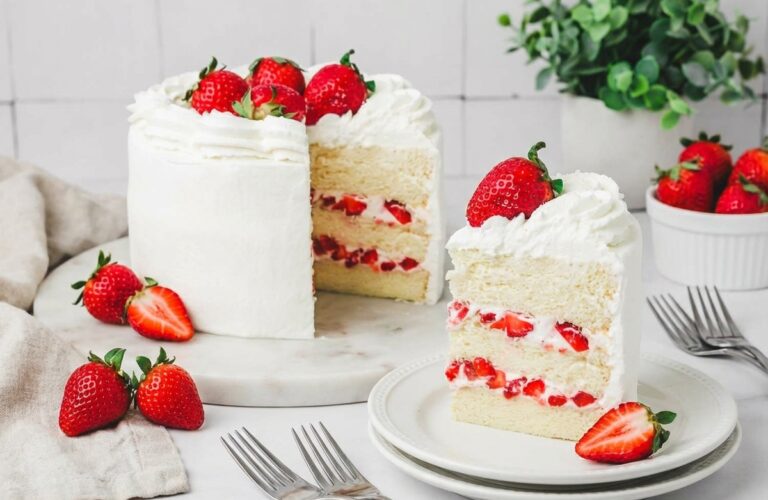
Key Takeaways
- Room temperature eggs are non-negotiable for maximum volume.
- Fold the flour gently to preserve the air in your strawberry cream cake.
- Stabilize your whipped cream to prevent the layers from sliding.
- Soak the sponge generously with syrup for a moist crumb.
- Chill the strawberry cream cake thoroughly before slicing.
Let Them Cooke: Strawberry Cream Cake is the absolute pinnacle of fresh, fruit-forward baking. When I first stepped into a professional kitchen, this was the dessert that terrified me.
The balance of airy sponge and rich cream seemed impossible to perfect. But after years of refining my technique, I have cracked the code. This strawberry cream cake represents everything I love about baking.
It is light, moderately sweet, and visually stunning. In my kitchen, we do not settle for dense cakes or weeping frosting. We aim for elite texture. Prepare to master the ultimate strawberry cream cake.
Baking is a science, but this strawberry cream cake is pure art.
Ingredients
- 200g Cake flour, sifted (for a tender crumb)
- 250g Granulated sugar (divided use)
- 6 Large eggs (room temperature)
- 60g Unsalted butter, melted and cooled
- 1 tsp Vanilla bean paste
- 750ml Heavy cream (35-40% fat, very cold)
- 60g Powdered sugar (for the cream)
- 500g Fresh strawberries (hulled and sliced)
- 80ml Water (for simple syrup)
- 1 tbsp Kirsch or strawberry liqueur (optional)
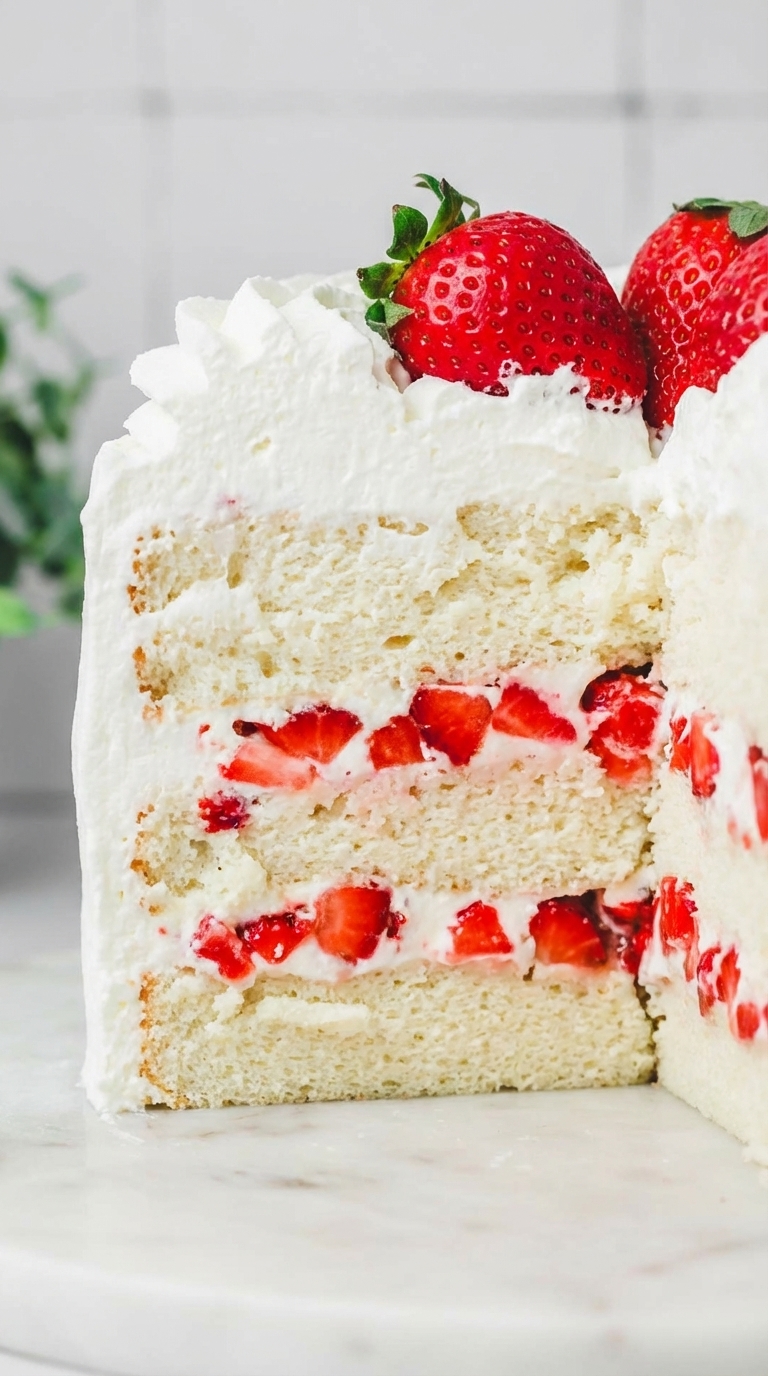
The foundation of any elite strawberry cream cake is the sponge. In this recipe, we utilize a genoise technique that relies on the aeration of eggs rather than chemical leaveners. I cannot stress enough how gentle your hand must be during the folding process. If you knock the air out, your strawberry cream cake will turn dense and rubbery. This texturally light base is what distinguishes a high-end dessert from a grocery store purchase.
Another critical component is the stability of your filling. A common failure point for a strawberry cream cake is a filling that weeps or slides. I always recommend chilling your bowl and whisk attachment before whipping the cream. This ensures the fat structure holds firm within the strawberry cream cake. When layering, creating a dam of cream around the edges helps contain the juices from the fruit.
We must also discuss the role of simple syrup. Many home bakers skip this step, but it is vital for a moist strawberry cream cake. The syrup does not just add sweetness; it ensures the sponge remains tender against the cold cream. When I assemble my strawberry cream cake, I am generous with the brush. It bridges the gap between the dry crumb and the luscious filling.
Finally, the quality of the fruit makes or breaks this dish. For a truly spectacular strawberry cream cake, select berries that are deep red and firm. If they are too watery, pat them dry before placing them inside the layers. This attention to detail elevates the structural integrity of your strawberry cream cake. It transforms a simple treat into a culinary masterpiece.
Step-by-Step Instructions
- Preheat your oven to 350°F (175°C) and line two 8-inch round pans with parchment paper.
- Combine eggs and granulated sugar in a heatproof bowl over simmering water.
- Whisk constantly until the sugar dissolves and the mixture is warm to the touch.
- Remove from heat and whip on high speed until the mixture triples in volume and reaches the ribbon stage.
- Sift the flour over the egg mixture in three batches, folding gently by hand.
- Fold in the melted butter and vanilla paste without deflating the batter.
- Divide batter evenly between pans and bake for 20-25 minutes until golden.
- Cool the cakes completely on a wire rack before slicing each in half horizontally.
- Simmer water and remaining sugar to create a simple syrup, then add liqueur if using.
- Whip the heavy cream and powdered sugar until stiff peaks form.
- Brush each cake layer generously with the simple syrup.
- Spread a layer of cream, top with sliced strawberries, and cover with more cream.
- Repeat the layering process until the strawberry cream cake is assembled.
- Frost the exterior with the remaining cream and garnish with whole berries.
- Refrigerate the strawberry cream cake for at least 4 hours before serving.
The secret to an elite strawberry cream cake lies in the temperature of your ingredients.
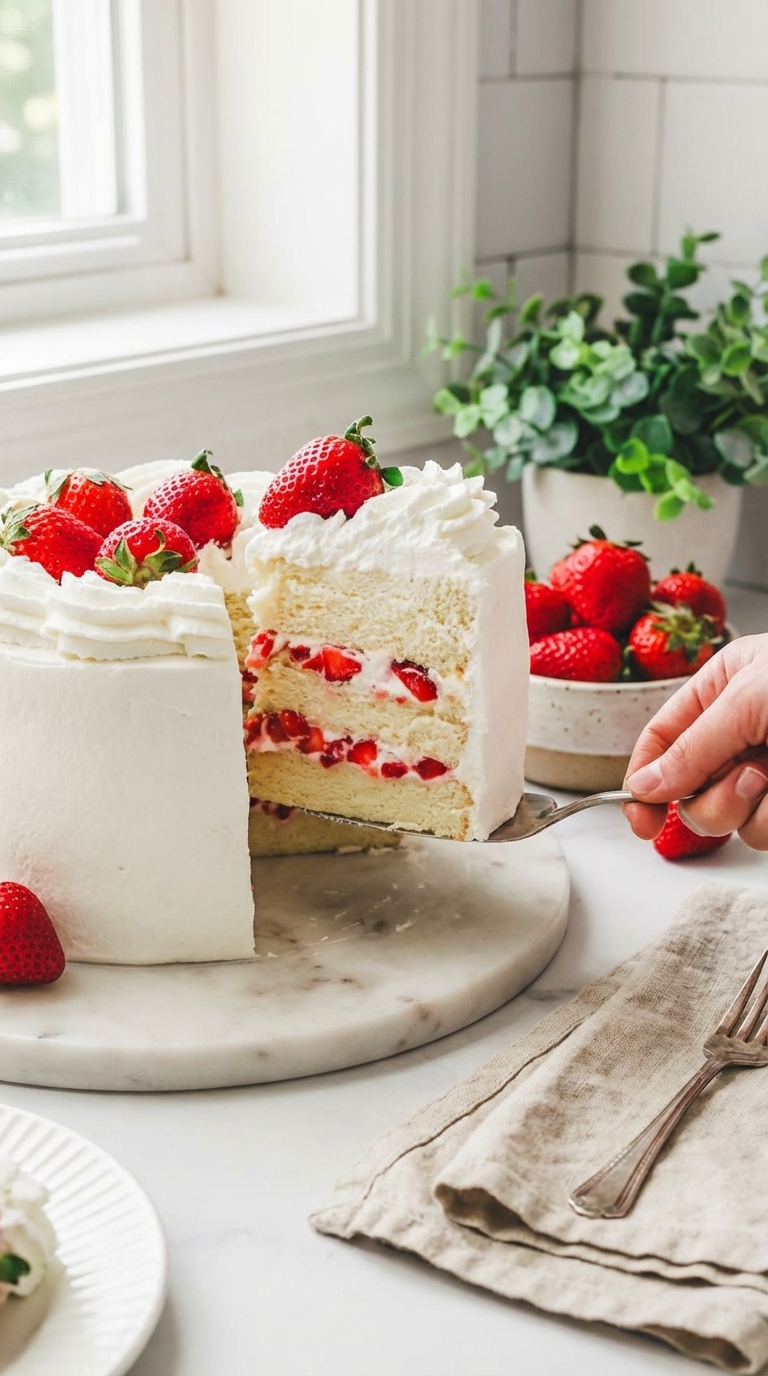
Thank you for joining me in the kitchen for this journey. Mastering this strawberry cream cake will redefine your standard for homemade desserts. The interplay of textures and the freshness of the fruit create a bite that is simply unforgettable. I know that once you slice into this masterpiece, you will understand the effort required. This is not just cake; it is a memory on a plate.
Remember to share your creations with me. I live to see how you execute this strawberry cream cake in your own homes. Keep your ingredients cold, your oven calibrated, and your passion high. Until next time, Let Them Cooke.
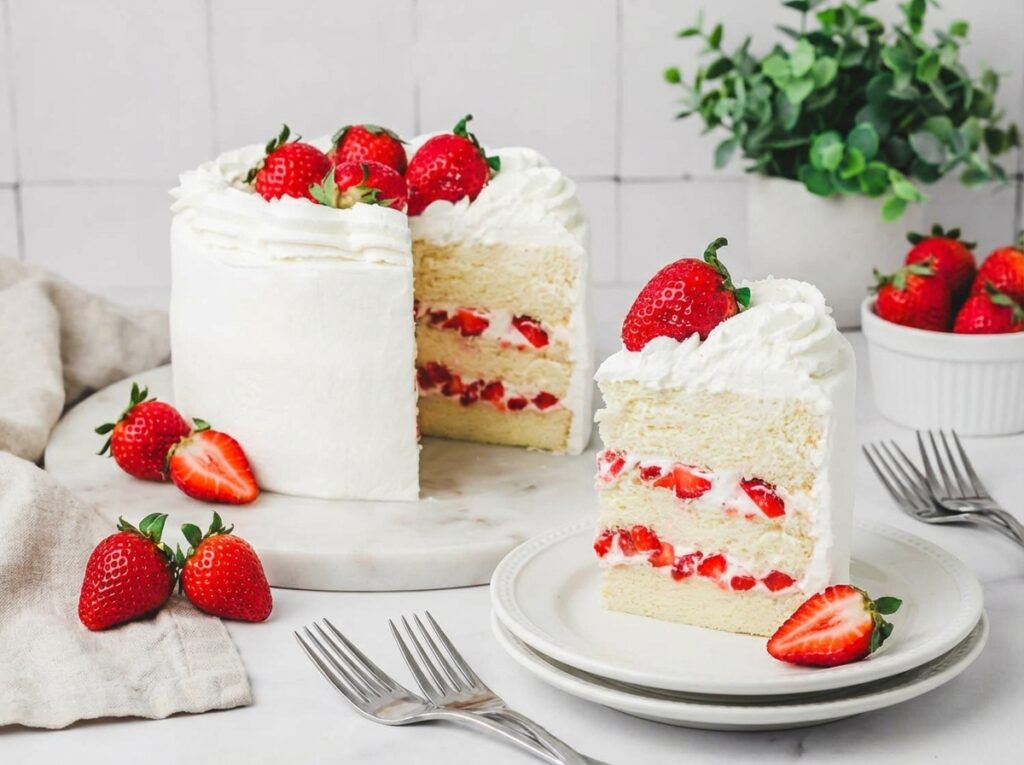
Strawberry Cream Cake
Ingredients
Method
- Preheat your oven to 350°F (175°C) and line two 8-inch round pans with parchment paper.
- Combine eggs and granulated sugar in a heatproof bowl over simmering water.
- Whisk constantly until the sugar dissolves and the mixture is warm to the touch.
- Remove from heat and whip on high speed until the mixture triples in volume and reaches the ribbon stage.
- Sift the flour over the egg mixture in three batches, folding gently by hand.
- Fold in the melted butter and vanilla paste without deflating the batter.
- Divide batter evenly between pans and bake for 20-25 minutes until golden.
- Cool the cakes completely on a wire rack before slicing each in half horizontally.
- Simmer water and remaining sugar to create a simple syrup, then add liqueur if using.
- Whip the heavy cream and powdered sugar until stiff peaks form.
- Brush each cake layer generously with the simple syrup.
- Spread a layer of cream, top with sliced strawberries, and cover with more cream.
- Repeat the layering process until the strawberry cream cake is assembled.
- Frost the exterior with the remaining cream and garnish with whole berries.
- Refrigerate the strawberry cream cake for at least 4 hours before serving.