 Chef Dalila
Welcome to Let Them Cook, where we explore ways to make healthy eating both delicious and accessible. Today, we’re diving deep into the world of multigrain bread, a staple that’s often praised for its nutritional profile but sometimes misunderstood.
If you’re looking to boost your daily nutrient intake and support overall wellness, understanding the benefits of multigrain bread is a fantastic starting point. This versatile bread option can be a game-changer for your diet, offering more than just a tasty base for your sandwiches.
What Exactly is Multigrain Bread? Understanding Its Core Components
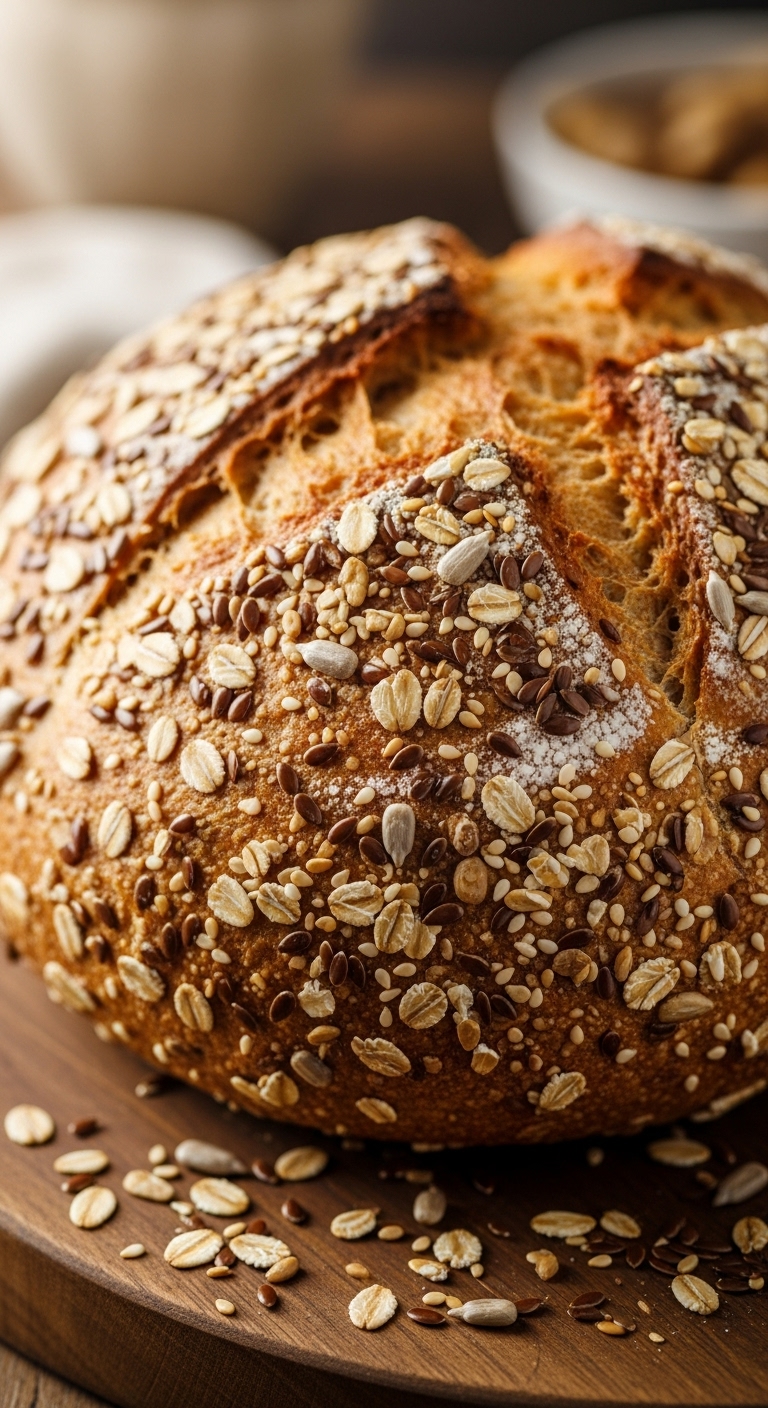
Multigrain bread simply means bread made with two or more different types of grains. Unlike whole wheat bread, which is made exclusively from whole wheat flour, multigrain bread can incorporate a variety of grains such as oats, barley, flaxseed, millet, quinoa, and rye. This diverse blend is what gives multigrain bread its unique texture, flavor, and often, a superior nutritional edge.
The core components of multigrain bread vary widely by brand and recipe. Some common grains you might find include whole wheat, which contributes to whole grain nutrition, along with other grains that add distinct flavors and textures. The key is that it uses multiple types of grains, not necessarily all of them being whole grains, though the healthiest options usually prioritize whole grains. Always check the ingredient list to ensure you’re getting the most beneficial multigrain-bread.
The 7 Amazing Health Benefits of Incorporating Multigrain Bread into Your Diet
Choosing multigrain bread isn’t just about varying your diet; it’s about unlocking a host of health advantages. From boosting your energy to supporting long-term health, the benefits of this fiber-rich bread are truly impressive. Here are seven compelling reasons to make multigrain bread a regular part of your meals:
1. Rich in Dietary Fiber: Multigrain bread is often packed with fiber, which is crucial for digestive health. The combination of different grains typically provides both soluble and insoluble fiber, aiding in regular bowel movements and preventing constipation. This makes bread an excellent choice for a healthy digestive system.
2. Supports Heart Health: Many of the grains found in multigrain bread, like oats and barley, are known to help lower cholesterol levels. The fiber and other nutrients contribute to reducing the risk of heart disease, making multigrain bread a heart-healthy bread option. Regularly consuming whole grains has been linked to better cardiovascular outcomes.
3. Aids in Blood Sugar Management: The complex carbohydrates and high fiber content in multigrain bread lead to a slower release of glucose into the bloodstream. This helps in stabilizing blood sugar levels, which is particularly beneficial for individuals managing diabetes or looking to prevent insulin spikes. bread can be a smart choice for blood sugar management bread.
4. Provides Sustained Energy: Thanks to its complex carbohydrate structure, multigrain bread offers a steady supply of energy throughout the day. Unlike refined white bread, which can lead to quick energy spikes and crashes, multigrain bread keeps you feeling fuller and more energized for longer periods. This sustained energy is vital for productivity and overall well-being.
5. Packed with Essential Nutrients: Beyond fiber, multigrain bread is a good source of various vitamins and minerals, including B vitamins, iron, magnesium, and selenium. These nutrients are essential for numerous bodily functions, from energy production to immune support. This comprehensive whole grain nutrition makes bread a powerhouse of goodness.
6. May Help with Weight Management: The high fiber content in multigrain bread promotes satiety, meaning you feel full faster and for longer. This can help reduce overall calorie intake and support weight management efforts. Incorporating multigrain bread into your diet can be a simple yet effective strategy for maintaining a healthy weight.
7. Enhances Digestive Health: As mentioned, the diverse fibers in multigrain-bread significantly contribute to a healthy gut microbiome. A well-functioning digestive system is key to nutrient absorption and overall health. This digestive health bread truly supports your gut from the inside out.
> “Opting for multigrain-bread, especially varieties rich in whole grains, is a simple yet impactful step towards a more nutrient-dense diet. It’s not just about adding fiber; it’s about embracing a spectrum of vitamins, minerals, and phytonutrients that work synergistically for your health.”
Multigrain Bread vs. Other Breads: A Nutritional Showdown
When it comes to healthy bread options, multigrain bread often stands out. But how does it compare to its common counterparts like white bread and even whole wheat bread? Let’s break down the nutritional differences.
Multigrain Bread vs. White Bread: This comparison is stark. White bread is typically made from refined flour, which has been stripped of its bran and germ, along with most of its fiber and nutrients. Multigrain bread, even if not entirely whole grain, generally offers significantly more fiber, protein, and micronutrients. The diverse grains in bread provide a far superior nutritional profile.
Multigrain Bread vs. Whole Wheat Bread: This is where the distinction can be more nuanced. Whole wheat bread is made from 100% whole wheat flour, meaning it contains all parts of the wheat kernel (bran, germ, and endosperm). This ensures it’s a good source of fiber and nutrients. Multigrain bread, on the other hand, contains multiple grains.
The key difference lies in whether those multiple grains are whole grains. A multigrain bread made with 100% whole grains (e.g., whole wheat, whole oats, whole barley) will offer comparable, and sometimes even superior, nutrition to 100% whole wheat bread due to the diversity of nutrients from different grains. However, a multigrain-bread made with refined grains and only a small amount of whole grains might not be as nutritious as a true whole wheat bread. Always check the label for “100% whole grain” to make the best choice when comparing multigrain vs whole wheat.
How to Choose the Best Multigrain Bread and Simple Ways to Enjoy It
Selecting the right multigrain bread is crucial to reap its full benefits. Not all multigrain breads are created equal, so a little label-reading goes a long way. Once you’ve chosen a quality loaf, integrating it into your daily meals is simple and delicious.
When choosing multigrain bread, look for “100% whole grain” on the packaging. This ensures that all the grains used retain their bran, germ, and endosperm, providing maximum fiber and nutrients. Check the ingredient list; the first few ingredients should list whole grains like “whole wheat flour,” “whole oats,” or “whole barley.” Avoid breads with high fructose corn syrup or excessive added sugars. A truly healthy bread will have a short, recognizable ingredient list.
There are countless simple ways to enjoy multigrain bread:
- Classic Sandwiches: Upgrade your lunch with a hearty bread sandwich packed with lean protein and fresh vegetables.
- Avocado Toast: Top toasted multigrain bread with mashed avocado, a sprinkle of everything bagel seasoning, and a squeeze of lemon for a nutritious breakfast or snack.
- Open-Faced Toasts: Get creative with toppings like hummus and roasted veggies, or cream cheese and smoked salmon.
- Alongside Soups and Salads: Use slices of bread to scoop up hearty soups or complement a fresh salad.
- Homemade Croutons: Cube stale bread, toss with olive oil and herbs, then bake until crispy for a healthy salad topping.
Delicious Multigrain Bread Recipes: From Sandwiches to Savory Dishes
Multigrain bread is incredibly versatile, making it perfect for a wide range of culinary creations. Beyond basic toast, you can transform this nutritious bread into exciting meals that are both flavorful and good for you. Embracing homemade multigrain recipes allows you to control ingredients and maximize health benefits.
For a quick and satisfying meal, consider a Gourmet Multigrain Turkey Club. Layer toasted bread with thinly sliced roasted turkey, crisp lettuce, ripe tomatoes, and a smear of avocado. This elevated sandwich is a fantastic way to enjoy the fiber-rich bread. Another idea is Mediterranean Multigrain Bruschetta. Toast slices of bread, then top with a mix of diced tomatoes, fresh basil, minced garlic, a drizzle of olive oil, and a sprinkle of feta cheese. This makes for an excellent appetizer or light lunch.
You can also use multigra-in bread in more savory dishes. Think about creating a Hearty Multigrain Bread Pudding (savory style, not sweet) with cheese, herbs, and vegetables for a comforting main course. Or, for breakfast, a Nut Butter and Banana Multigrain Toast offers sustained energy. Spread your favorite nut butter on toasted bread, top with sliced bananas, and a dash of cinnamon. The possibilities for delicious bread dishes are truly endless.
Key Takeaways
- Multigrain bread is made with two or more types of grains, offering diverse nutrients.
- It’s a fiber-rich bread that supports digestive health bread and blood sugar management bread.
- Choosing 100% whole grain bread maximizes whole grain nutrition and overall benefits.
- Compared to white bread, multigrain bread is significantly more nutritious; when comparing multigrain vs whole wheat, prioritize “100% whole grain” labels for both.
- It provides sustained energy, supports heart health, and can aid in weight management.
- Look for minimal ingredients and avoid added sugars when selecting healthy bread options.
- Incorporate bread into various homemade multigrain recipes, from simple toasts to savory dishes.
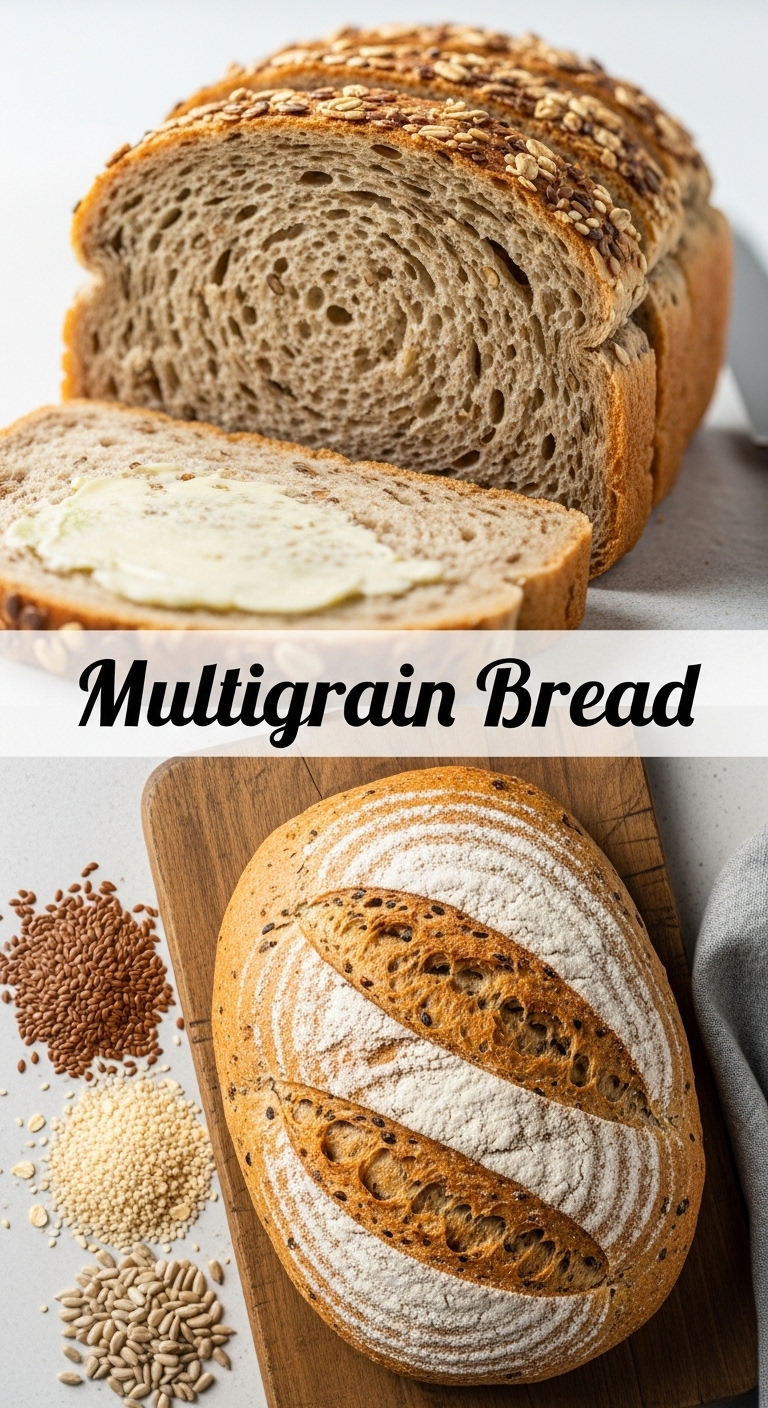
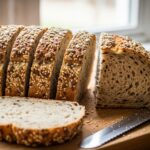
Multigrain Bread
Ingredients
Method
- In a bowl, mix warm water and yeast; let it sit for about 5 minutes until frothy.
- In a large mixing bowl, combine whole wheat flour, oats, flaxseed, barley flour, quinoa, and salt.
- Add the frothy yeast mixture and honey into the dry ingredients.
- Knead the dough for about 10 minutes until smooth and elastic.
- Place the dough in a greased bowl, cover it with a cloth, and let it rise in a warm place until doubled in size (about 1 hour).
- Preheat the oven to 350°F (175°C).
- Punch the dough down, shape it into a loaf, and place it in a greased loaf pan.
- Let it rise for an additional 30 minutes.
- Bake for 30 minutes until golden brown and sounds hollow when tapped.