 Chef Dalila
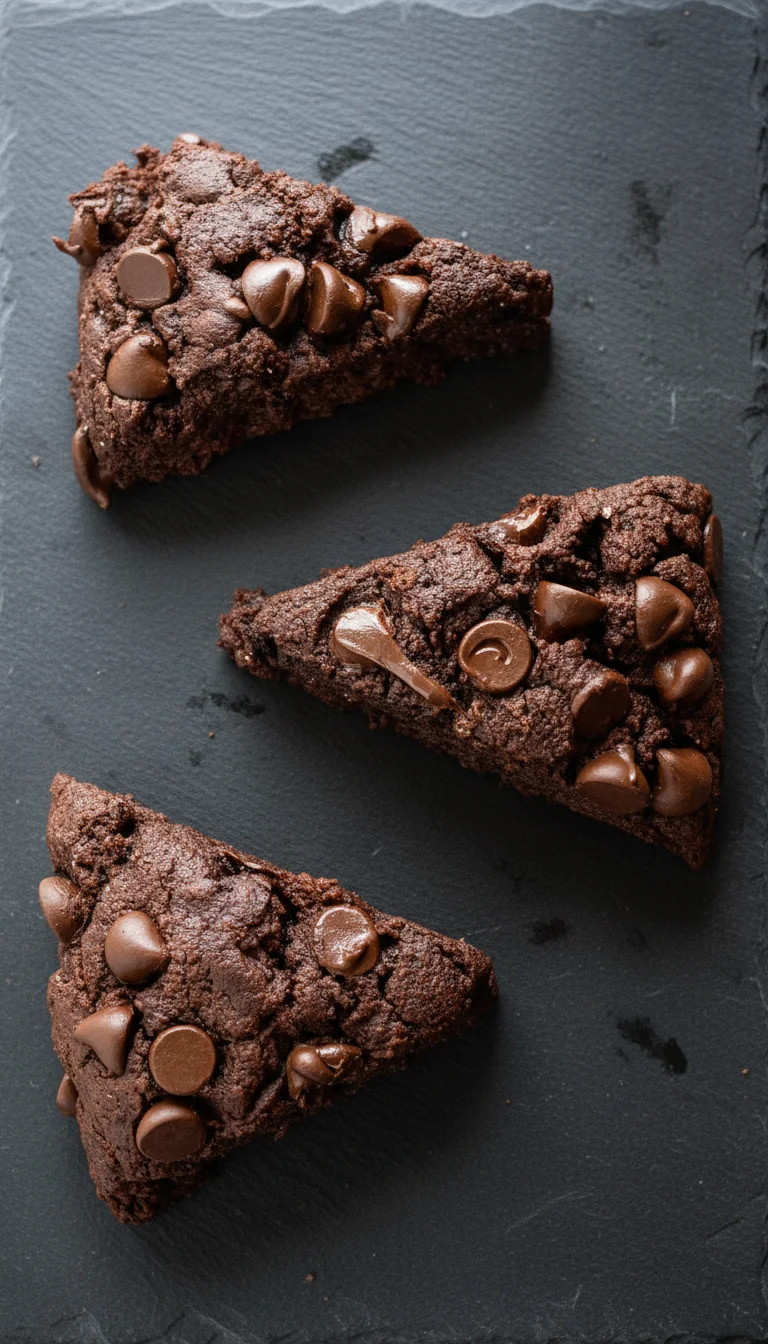
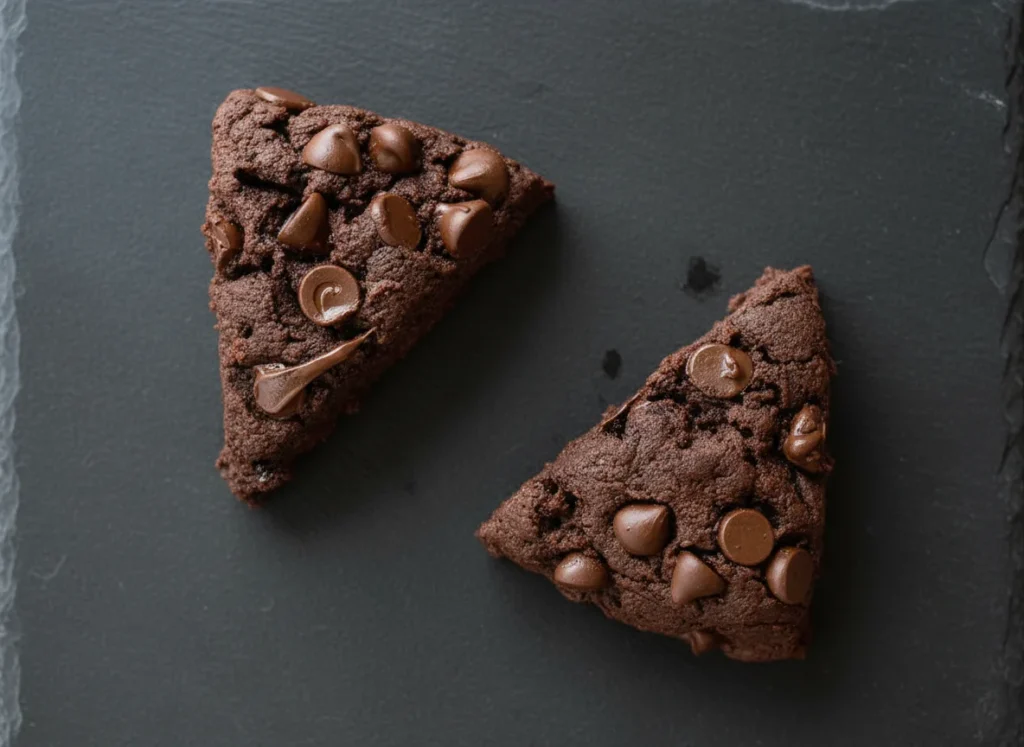
Double Chocolate Scones might be a decadent treat for a rainy afternoon, but there is something undeniably healing about mastering the humble, classic plain scone. Here at Let Them Cooke, we believe that baking is more than just a chemical reaction; it is a way to honor the past, transforming a sun-drenched kitchen into a sanctuary of memories.
My mother always said that a simple recipe is like a quiet friend—reliable, comforting, and full of grace. While the allure of Double Chocolate Scones is strong, understanding the soul of a plain scone allows you to create an edible embrace that whispers stories of family gatherings and slow Sunday mornings. Let us embark on this journey together, turning simple flour and butter into a warm hug on a plate, even if your heart still beats for Double Chocolate Scones.
Key Takeaways
- Cold Ingredients are King: Just as with Double Chocolate Scones, keeping your butter and liquids ice-cold is the non-negotiable secret to that coveted flaky rise.
- Gentle Hands: Overworking the dough kills the magic; treat it with the same tenderness you would use when crafting delicate Double Chocolate Scones.
- Quality Matters: Simple recipes have nowhere to hide, so use the best pantry staples, a rule that applies equally to rich Double Chocolate Scones.
- The Right Cut: Pressing straight down without twisting ensures your layers soar, a technique essential for both plain and Double Chocolate Scones.
What is the secret to achieving perfectly flaky layers in Easy Plain Scones?
The Dance of Flour and Fat
Creating layers in baking is like composing a symphony where every instrument must play its part perfectly, much like the balance of flavors in Double Chocolate Scones. The secret lies in the “rubbing in” method, where you coat the flour with fat but leave visible chunks of butter intact. These little nuggets of gold are what create the magic, melting in the oven to lift the dough, a principle that remains true whether you are baking these classics or indulgent Double Chocolate Scones.
The Gentle Fold Technique
To achieve that stunning, towering height, we borrow a trick often used in puff pastry, which can also elevate your Double Chocolate Scones. Instead of kneading the dough like bread, we gently fold it over itself several times. This process traps air and creates distinct strata of dough and butter, ensuring that every bite is light and airy, distinct from the denser, fudgier texture often found in Double Chocolate Scones. If you are looking for more texture tips, our Foolproof English Scones guide is a wonderful companion.
Why Temperature Matters More Than You Think
I cannot stress enough that heat is the enemy of flakiness before the dough hits the oven, a rule that applies even when making Double Chocolate Scones. If your hands are warm, run them under cold water before handling the dough to preserve those precious butter pockets. It is this attention to detail that transforms a good bake into an exceptional one, rivaling the joy of biting into fresh Double Chocolate Scones. For a nutty twist on texture, you might also enjoy exploring our Almond Scones Recipe.
Why is using ice-cold butter absolutely critical for your scone dough?
Creating Little Pockets of Steam
When ice-cold butter enters a hot oven, it releases water as steam, puffing up the dough to create those dreamy layers we all crave, just like in the best Double Chocolate Scones. If the butter melts prematurely during mixing, you lose that explosive lift, resulting in a flat, sad disk rather than a majestic bake. It is a bit of kitchen science that feels like pure magic, essential for both plain and Double Chocolate Scones.
The Texture Difference
Using warm butter results in a greasy, heavy texture that lacks the delicate crumb of a proper scone or the rich mouthfeel of Double Chocolate Scones. We want the butter to be distinct within the flour matrix, not fully incorporated into a paste. This separation is what gives the scone its characteristic “short” texture, a quality that distinguishes it from a muffin or a cookie, and certainly from poorly made Double Chocolate Scones. If you love warm, comforting flavors, our Warm Cinnamon Scones explore this texture beautifully.
Handling Butter with Care
I often grate my frozen butter directly into the flour, a trick that works wonders for Double Chocolate Scones as well. This prevents the warmth of your fingertips from melting the fat while you work it in. It is a small act of kindness towards your ingredients that pays off in the final, golden result, ensuring a lightness that even the richest Double Chocolate Scones strive to achieve. You can see similar principles at play in our fruity Lemon Blueberry Scones.
How can you prevent your scones from becoming tough and dense?
The “Less is More” Mixing Rule
The moment liquid touches flour, gluten begins to form, which is great for bread but the nemesis of tender scones and Double Chocolate Scones. You must mix until the dough just comes together; a few shaggy bits are perfectly fine and actually welcomed. Over-mixing leads to a rubbery texture that no amount of jam can hide, a tragedy for both plain and Double Chocolate Scones.
Liquid Ratios and Hydration
A dough that is too dry will be crumbly and hard, while one that is too wet will spread, issues you might also face with Double Chocolate Scones. Finding that sweet spot where the dough is tacky but manageable is key to a soft interior. It is about listening to the dough and adjusting gently, a skill that will serve you well when you eventually tackle Double Chocolate Scones. For a variation that uses sour cream for moisture, try our Cranberry Orange Sour Cream Scones.
Sharp Cutters for a High Rise
“Baking is an act of faith, but cutting scones requires precision.”
When cutting your shapes, press straight down and lift straight up; do not twist, or you will seal the edges and prevent the rise, ruining your plain or Double Chocolate Scones. This simple mechanical action ensures the layers are free to expand upward, creating that beautiful, rustic break in the middle. It is a technique that keeps your bakes looking professional, whether they are fruit-filled or Double Chocolate Scones. This is crucial for delicate bakes like our White Chocolate Raspberry Scones.
Which simple pantry staples are essential for this foolproof recipe?
The Power of Baking Powder
Since we aren’t using yeast, baking powder is the magic dust that provides the lift, much like in Double Chocolate Scones. Ensure your baking powder is fresh; if it has been sitting in the cupboard for years, it won’t have the strength to raise the dough. Fresh leavening is the heartbeat of this recipe, just as it is for the deep, dark rise of Double Chocolate Scones.
Buttermilk for Tenderness
Buttermilk is the unsung hero of the scone world, offering an acidity that tenderizes the gluten and adds a subtle tang, distinct from the sweetness of Double Chocolate Scones. If you don’t have it, a splash of lemon juice in milk works as a “sour milk” substitute to mimic that reaction. This ingredient brings a softness that makes every bite feel like a gentle edible embrace, unlike the crunchier exterior of some Double Chocolate Scones. You can taste this tenderness in our Lemon Raspberry Scones.
Quality Flour as the Canvas
While Double Chocolate Scones rely on cocoa for flavor, plain scones rely entirely on the quality of the flour and butter. Use a good all-purpose or plain flour to provide the structure needed without making the bake heavy. It is the canvas upon which we paint our flavors, proving that simplicity often requires the highest quality, a lesson that improves even your Double Chocolate Scones. For a fun twist on pantry staples, check out our S’mores Scones.
What are the best ways to serve your warm scones for a classic tea time?
The Clotted Cream Debate
Whether you put the jam or the cream on first is a debate as old as time, but unlike Double Chocolate Scones which are often eaten plain, these require the full treatment. Clotted cream offers a luxurious, velvety mouthfeel that butter simply cannot replicate. It is the crowning jewel of afternoon tea, transforming a simple bake into an event, far more traditional than serving Double Chocolate Scones.
Jam Pairings and Preserves
A high-quality strawberry or raspberry preserve adds the necessary sweetness to balance the buttery dough, a contrast different from the bitterness of Double Chocolate Scones. The jewel-toned jam looks stunning against the pale crumb, narrating a tale of summer harvests preserved for winter comfort. It creates a visual and flavorful harmony that is just as satisfying as the richness of Double Chocolate Scones. For a colorful pairing idea, look at our Red Velvet Scones with White Chocolate Chips.
Creating a Cozy Atmosphere
Serving scones is about more than food; it is about curating a moment of peace, perhaps with a pot of Earl Grey, which pairs better here than with Double Chocolate Scones. Lay out your best china, light a candle, and let the aroma of baking fill the room. It is in these quiet moments that we find healing and joy, whether we are sharing plain scones or a platter of Double Chocolate Scones. For more on the history of this tradition, you can read about the origins of afternoon tea.

Easy Plain Scones
Ingredients
Method
- Preheat your oven to 400°F (200°C).
- In a bowl, whisk together the flour, baking powder, sugar, and salt.
- Grate the ice-cold butter into the flour mixture and mix until crumbly, leaving chunks of butter visible.
- Make a well in the center and pour in the buttermilk. Gently mix until just combined; do not overwork the dough.
- Turn the dough out onto a floured surface and fold it gently over itself a few times.
- Pat the dough into a 1-inch thick circle and cut into wedges or use a round cutter.
- Place the cut scones onto a baking sheet lined with parchment paper.
- Bake in the preheated oven for 15-20 minutes or until golden brown.
- Let cool for a few minutes before serving.